

A recent survey conducted by the CDC (Centers for Disease Control and Prevention) reveals that a significant number of Americans do not meet the guidelines of the Healthy Plate model. Developed by researchers at Harvard University, the Healthy Plate model aims to guide individuals in making healthier dietary choices. In this article, we will explore the essential components of the Healthy Plate to assist you in meeting your nutritional needs. We encourage you to share this article so everyone can learn!
The Basic Healthy Plate Model

The foundational healthy plate model includes a variety of essential components: vegetables, whole grains, fruits, healthy proteins, water, healthy oils, and an active lifestyle. You might be thinking, "We've all heard this before! Share something new!" Yet, these principles remain the cornerstone of a balanced diet. What is often overlooked, however, is the proportion these elements should be consumed.
The First Proportion: Vegetables
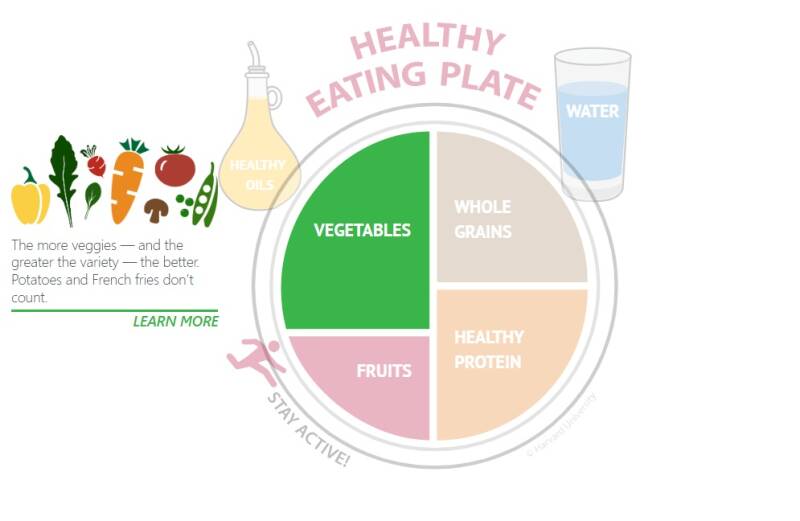
The Healthy Plate Model does not prescribe a strict percentage for how much of your plate should be filled with vegetables. However, as a general guideline, fruits and vegetables combined should occupy half of your plate, with vegetables making up a larger portion than fruits. For personalized advice tailored to your specific needs, it’s best to consult a nutritionist or healthcare professional. To give you a clearer idea:
- Vegetables should comprise approximately 26-40% of your plate.
- Examples of vegetables include broccoli, salad greens, peppers, beans, cucumbers, and celery.
The Second Proportion: Fruits
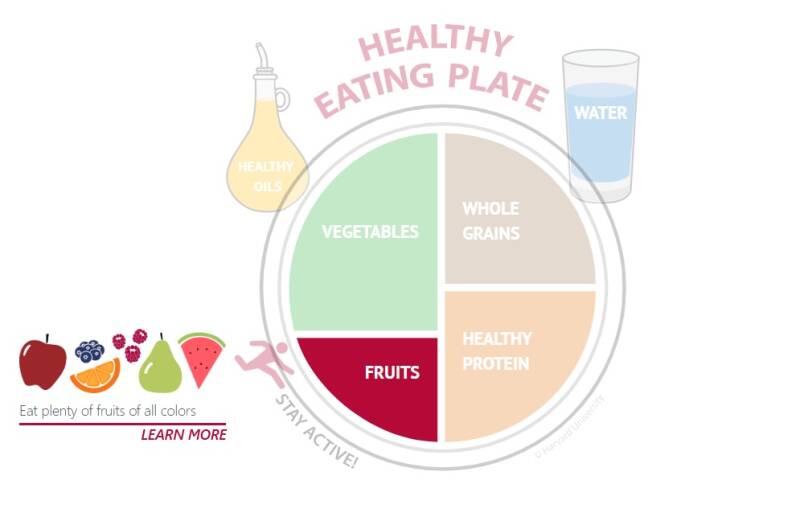
The fruits, as mentioned earlier, should be in a less proportion than the vegetables. Different fruits contain unique vitamins, minerals, and antioxidants that contribute to overall health. There is no exact percentage, but make sure the percentage you chose for your vegetables and the percentage you chose for your fruits add up to 50%.
- For example, if you chose 26-40% for the vegetable proportion, your fruit proportion should be 10-24% of your plate.
- Examples of fruits: Apples, Oranges, Berries, Pears, Watermelon, Peaches, Mangoes, Citrus fruits, etc
The Third Proportion: Whole Grains
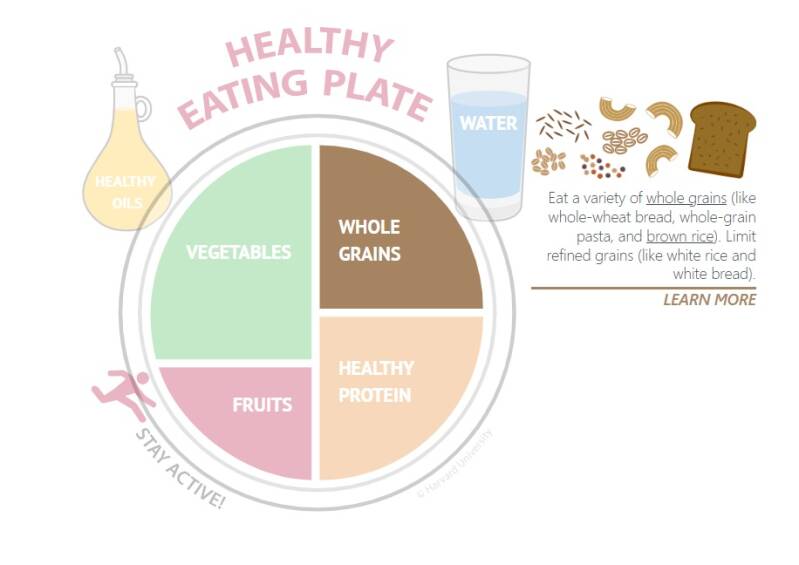
Whole Grains should make up 25% of the plate. They are rich in fiber, which aids digestion and helps maintain a healthy weight. Additionally, they provide essential vitamins and minerals such as B vitamins, iron, magnesium, and antioxidants that contribute to overall health.
- Examples are whole-wheat bread, whole-grain pasta, brown rice, oats, quinoa, and barley
- Examples of what to limit: White bread, white rice, pastries, and sugary grains.
The Fourth Proportion: Healthy Protein
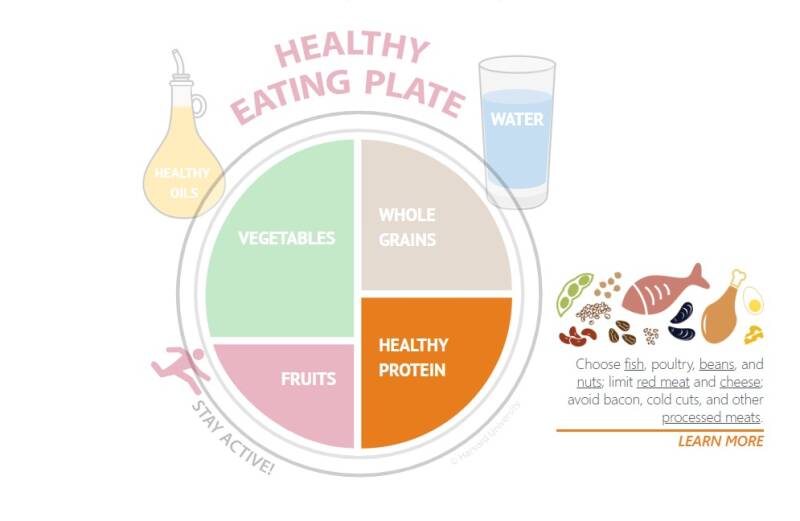
25% of your plate should be Healthy Protein. Protein sources not only enhances the nutritional profile of your meals but also helps to ensure that you receive all essential amino acids. By diversifying your protein intake, you can benefit from different vitamins and minerals that various foods provide, such as iron from lentils and omega-3 fatty acids from fish.
- Examples include fish, meat, poultry, eggs, lentils, tofu, eggs, meat, nuts, chickpeas, beans, etc
- Examples of what to limit: Red Meat, Cheese
- Examples of what to avoid: Bacon, cold cuts, processed meats
The Outlines of the Plate
1) Drinks: Harvard researchers advise to drink water, tea, and limited-sugar coffee. Avoid sugary drinks.
2) Healthy Oils: You can use Olive oil, Canola oil to cook. Limit: Butter, Trans Fat
NOTE: The information for this blog was taken from the sources at the bottom. Do not follow this blog for strict medical advice.